
Emergence of SWASA
Sex Workers and Allies South Asia (SWASA) is a collaboration between sex workers and supportive activists and organisations in Bangladesh, India, Nepal and Sri Lanka
Being Counted: A Brief History of Sex Work in South Asia
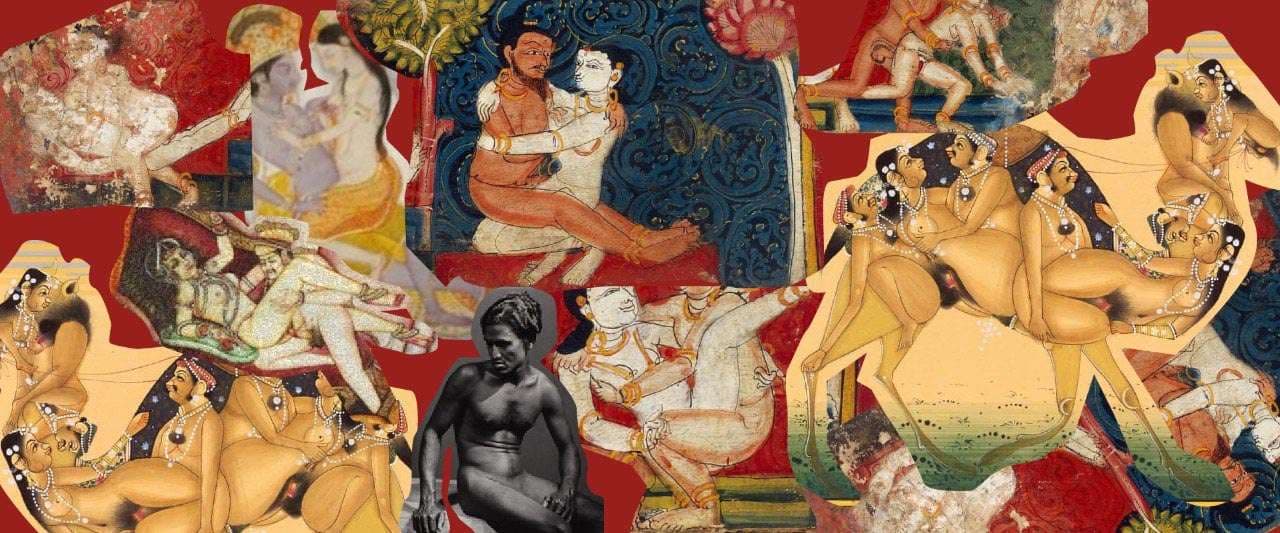
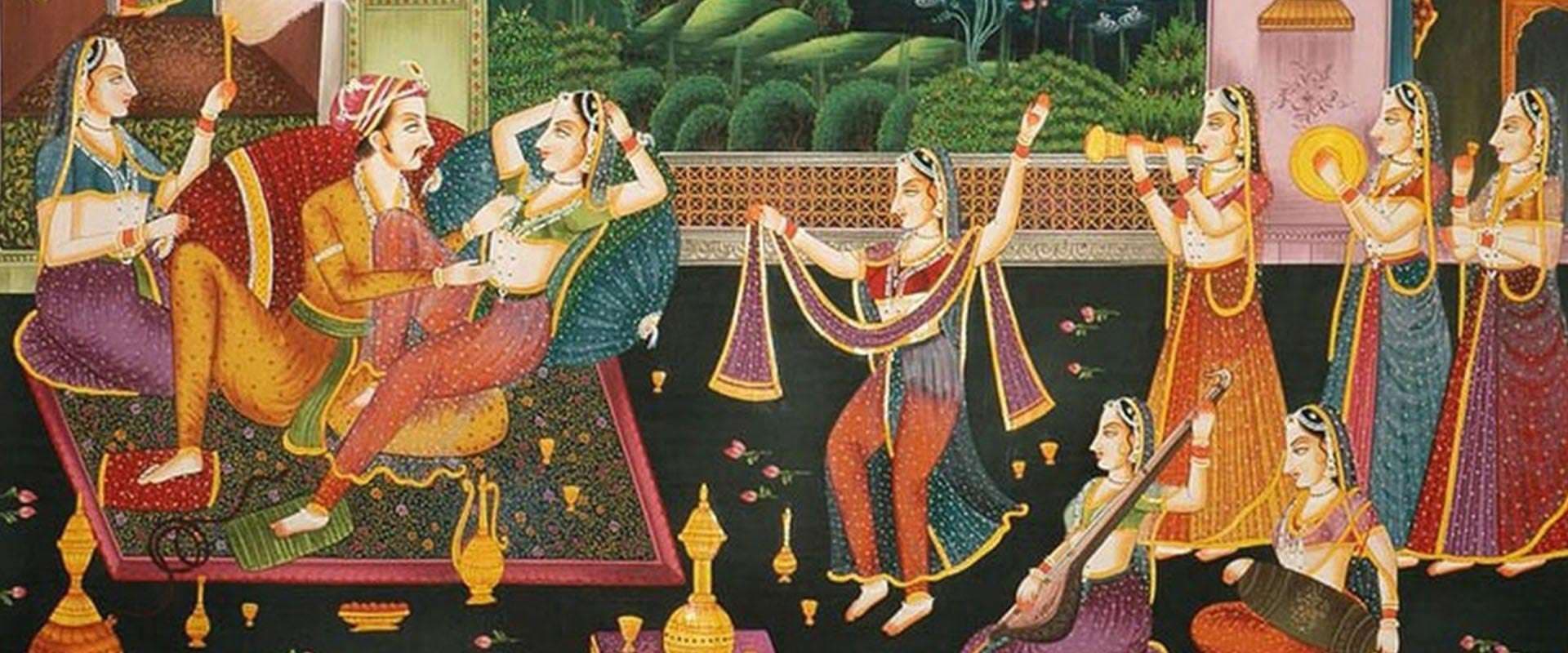
While sex work has always been regulated in South Asia, it also existed and continues to do so in a complex web of social, economic, cultural, ritual relationships.

Curious? SWASA Responds

Sex work is defined as provision of sexual services within a commercial context, directly to clients as independent workers or through third parties and client procurers. Sex workers in the SWASA network across the region challenge the articulation that sex work is “selling sex” or “selling bodies’ (deh vikri, sex vikri, aga wikunanawa).
Not at all.
In the South Asian context, the history of performing sexual or erotic services for payment can be traced as far back as the Arthashastra, dated between 350-275 BCE. It has detailed descriptions of how such professions are to be governed by the state, including payment of taxes, in order to ensure fairness for all those engaged in the trade. This is only one among many ancient sources.
It was during colonial rule in the 19th century that the British government enacted regulations and laws that criminalized various forms of sex work in the South Asian region. These include the Vagrants Ordinance of 1841 [Sri Lanka] Contagious Diseases Act of 1868 [India], and numerous Provincial acts such as the ‘Prevention of Prostitution and Immoral Trafficking in Women and Girls’.
Sex Work is defined as provision of sexual services by adult women, men and transgender persons for money, goods or other benefits in a commercial context.
Prostitution on the other hand, mostly refers to women exchanging sexual services for money. The word has come to denote decadence, immorality and sexual exploitation.
In the 1970s, the global sex workers’ rights movement began to deconstruct the practices associated with prostitution. Sex worker rights advocates then unravelled the term ‘prostitution’ which was focused solely on the ‘activity’ of prostitution and went on to create a term that focused on the workers who provided the service. Prostitution was thus reframed as sex work and prostitutes as sex workers.
Sex workers may solicit clients on the street, other public areas, or by telephone and text message, or online via social media platforms or websites. They might get clients through client procurers or through more institutionalised ways such as in brothels or clubs. Sex work includes diverse and varied activities: in addition to foreplay and intercourse, sex work may also include nude dancing (with or without contact), providing erotic massages, escort services, acting in pornographic movies, erotic phone or webcam conversations, and offering specific or specialized services like domination or catering to specific fetishes.
1. Someone who is not cruel or violent.
2. Someone who pays the agreed fee and keeps to the agreed terms.
3. Someone who respects and values sex work.
4. Someone who regularly accesses services.
5. Someone who enjoys being with a sex worker.
If your question is still unanswered, click the button below to ask your questions. This site does not allow for solicitation. Kindly ensure all questions are framed respectfully and asked in the spirit of genuine inquiry.